
Understanding Site Plans: A Simple Guide for Homeowners
If you’re planning to build a house, extend your property, or apply for local approval, you will quickly come across the term site plan. For many homeowners, this is where confusion starts. What exactly is a site plan? Why is it required? And how is it different from a land survey?
This beginner’s guide will break everything down in a simple, practical way so you can confidently understand and use site plans online for your property projects.
What Is a Site Plan?
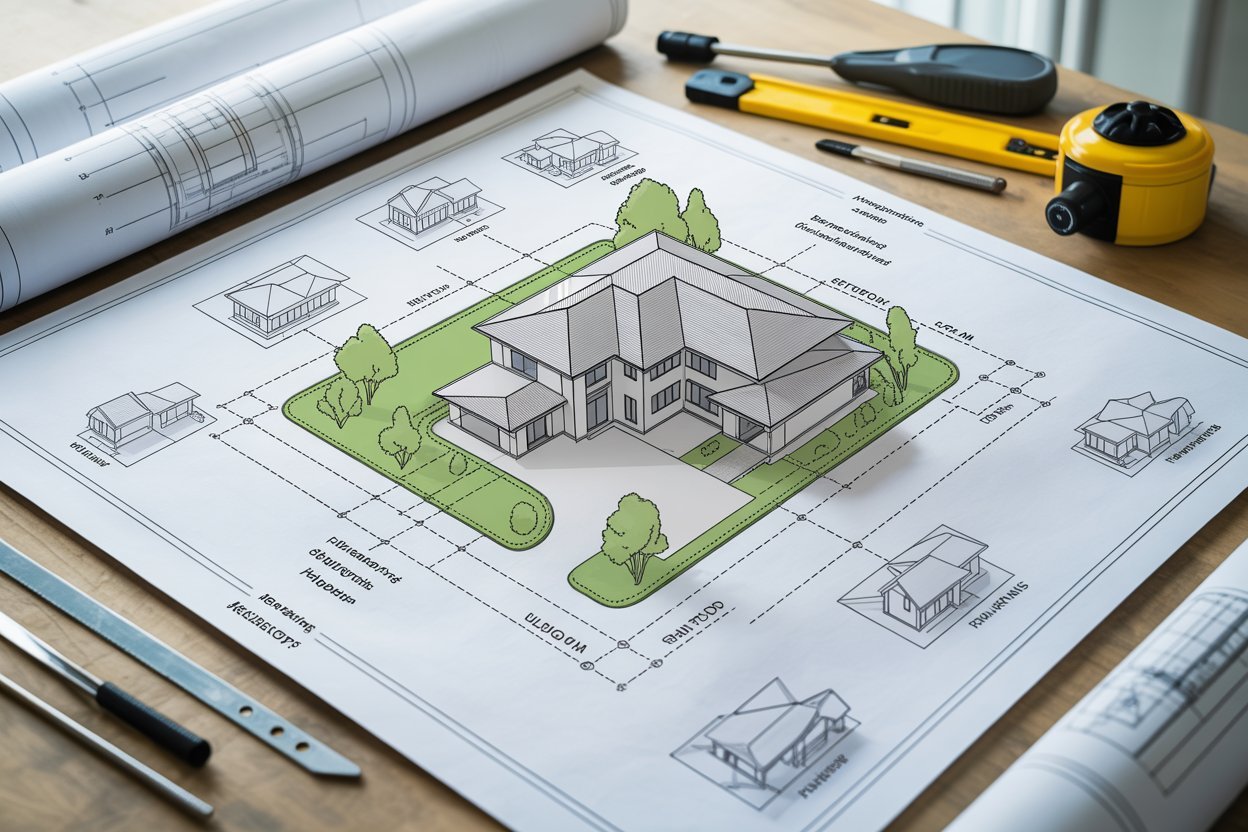
A site plan is a detailed drawing that shows how your property is arranged from a top-down view. Think of it as a “map” of your land that includes both existing and proposed features.
A typical site plan includes:
- Property boundaries
- House or building location
- Driveways and walkways
- Setbacks (distance from boundaries)
- Utility connections
- Landscaping elements
- Proposed additions or extensions
In simple terms, a site plan shows what exists on your land and what you plan to build on it.
Homeowners often use site plans online tools to create or review these drawings before submitting them to local authorities or architects.
Why Homeowners Need a Site Plan
If you’re wondering whether a site plan is really necessary, the answer is usually yes—especially for construction or renovation projects.
Here’s why site plans are important:
1. Required for Permits
Local councils often require a site plan before approving construction or renovation work.
2. Helps Avoid Legal Issues
It ensures your building does not cross property boundaries or violate zoning rules.
3. Improves Planning Accuracy
Architects and builders use it to design structures that fit your land properly.
4. Saves Time and Money
A clear plan prevents mistakes that can lead to costly redesigns or delays.
Without a proper site plan, even a simple home extension can become complicated.
Site Plan vs Survey: What’s the Difference?
One of the most common confusions homeowners face is understanding site plan vs survey. While they sound similar, they serve different purposes.
Land Survey
A land survey is conducted by a licensed surveyor. It provides exact measurements of your property, including:
- Boundary lines
- Land size
- Elevation levels
- Legal property markers
A survey is legally certified and is often used in disputes or official property registration.
Site Plan
A site plan is a design document based on survey data. It shows how structures and features are arranged on the land.
Simple Difference:
- Survey = accurate measurement of land
- Site plan = visual plan of how land is used
In most cases, a site plan is created using data from a survey.
Key Elements of a Good Site Plan
A professional site plan should be clear, accurate, and easy to understand. Whether you create it manually or through site plans online platforms, it should include these key elements:
1. Property Boundaries
Clearly marked edges of your land are essential for legal accuracy.
2. Scale and Measurements
A proper scale ensures everything is proportionate and realistic.
3. Existing Structures
Your current house, garage, or any permanent structure must be included.
4. Proposed Changes
Any new construction, extensions, or landscaping plans should be shown.
5. Access Points
Driveways, entrances, and pathways must be clearly labeled.
6. Orientation
A north arrow helps understand the direction and positioning of the property.
A missing element can cause delays in approvals, so accuracy matters.
How Site Plans Online Tools Make It Easier
In the past, site plans were created only by architects or draftsmen. Today, digital tools have made the process much more accessible.
Using site plans online platforms, homeowners can:
- Create basic layouts without advanced design skills
- Upload property measurements or survey data
- Edit and adjust layouts easily
- Export plans for printing or submission
- Save multiple design versions
These tools are especially helpful for small home projects, garden planning, or initial design ideas before hiring a professional.
However, for official approvals, you may still need a certified version prepared or reviewed by an expert.
Common Mistakes Homeowners Should Avoid
Even with easy tools available, homeowners often make mistakes when preparing site plans.
1. Ignoring Accurate Measurements
Guesswork can lead to rejected applications or redesign costs.
2. Confusing Site Plan with Survey
Remember, a survey is not the same as a design plan.
3. Overcrowding the Plan
Adding too many unnecessary details makes the plan confusing.
4. Not Following Local Rules
Each area has zoning regulations that must be followed.
5. Using Outdated Property Data
Always ensure your measurements are up to date.
Avoiding these mistakes can make your approval process much smoother.
When Should You Hire a Professional?
While online tools are helpful, there are situations where professional help is essential:
- Large construction projects
- Legal property disputes
- Complex zoning requirements
- Structural engineering plans
- Government approvals requiring certified drawings
A professional ensures accuracy, compliance, and peace of mind.
Final Thoughts
Understanding site plans is an important step for any homeowner planning construction or renovation. A site plan is more than just a drawing—it is the foundation of safe, legal, and efficient building.
By learning the difference between a site plan vs survey, and using modern site plans online tools wisely, you can take control of your project with confidence.
Whether you are building a new home, extending your space, or simply planning improvements, a clear and accurate site plan will always be your starting point.








0 Comments